
How to Choose a Logistics Partner in the UK: Complete 2026 Guide
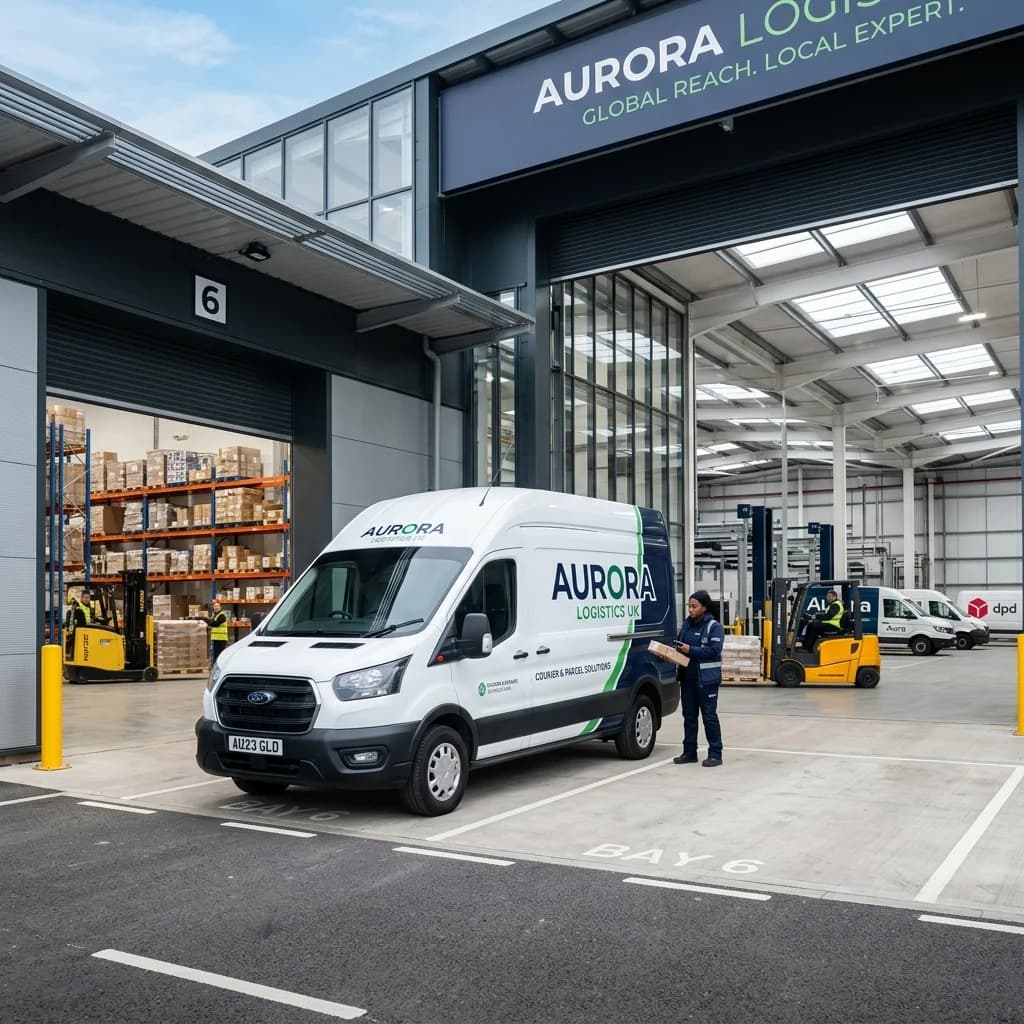
Choosing the right logistics partner in the UK can make or break your supply chain. Whether you run an e commerce brand, a manufacturing firm or a growing SME your logistics provider directly impacts delivery speed, customer satisfaction and your bottom line.
With hundreds of logistics companies operating across the UK from national couriers to specialist freight operators the decision isn't simple. This guide walks you through exactly what to look for, the right questions to ask and the red flags to avoid.
Why Your Choice of Logistics Partner Matters
Your logistics partner is more than a delivery company. They are an extension of your brand. Late deliveries, damaged goods, or poor communication directly damage customer trust and cost you repeat business. According to industry data, 84% of consumers say they won't return to a brand after a poor delivery experience.
Getting this decision right from the start saves time, money, and reputation especially as UK businesses navigate post Brexit customs requirements and evolving consumer delivery expectations.
Key Factors to Consider When Choosing a UK Logistics Partner
1. Coverage and Network Reach
The first question to ask is: where do you need to deliver? A good UK logistics partner should offer comprehensive coverage across England, Scotland, Wales and Northern Ireland as well as international routes if your business ships to Europe or beyond.
2. Service Types and Specialisations
Not all logistics companies offer the same services. Identify which of the following you need before shortlisting providers:
- Parcel & Express: Same day, next day, and tracked parcel delivery for e commerce.
- Warehousing & Fulfilment: Pick, pack and dispatch from a third party facility.
- Freight Forwarding: Air, sea and road freight for bulk international shipments.
- Temperature Controlled: Cold chain logistics for food, pharma, and perishables.
3. Technology and Real Time Tracking
Modern UK logistics partners should offer an integrated technology platform that gives you real time shipment visibility, automated notifications and API integration with your existing e commerce or ERP systems. Lack of technology is a major red flag in 2025.
4. Pricing Transparency and Scalability
Always request a full pricing breakdown including fuel surcharges, peak season rates, and dimensional weight calculations. The cheapest provider isn't always the best value. Look for a partner whose pricing model scales as your business grows, with volume discounts and flexible contract terms.
5. Track Record and Industry Experience
Check how long the company has been operating in the UK market, which industries they specialise in, and whether they have relevant accreditations such as ISO 9001, FORS certification or membership with the Chartered Institute of Logistics and Transport (CILT).
Questions to Ask a Potential Logistics Partner
- What is your average delivery success rate and on time delivery KPI?
- How do you handle damaged or lost shipments and what is your claims process?
- Do you offer dedicated account management or a customer service team?
- Can you provide case studies or references from businesses in my sector?
- What is your disaster recovery or contingency plan for service disruptions?
- Do you have the capacity to scale with us during peak trading periods?
Red Flags to Watch Out For
Not every logistics company that pitches you is the right fit. Watch for these warning signs:
- Vague pricing with hidden surcharges revealed only after signing a contract
- No dedicated account manager or poor communication during the sales process
- Inability to provide references or verifiable case studies
- No real time tracking technology or outdated operational systems
- Unrealistically low quotes that suggest cut corners on service quality
Frequently Asked Questions
1. What is the best logistics company in the UK for small businesses?
For small businesses, the best logistics partner depends on your volume, delivery zones, and budget. Look for providers that offer flexible contracts, no minimum volume requirements and strong e commerce platform integrations. Comparing multiple quotes and trialling services before committing is always recommended.
2. How much does it cost to hire a logistics partner in the UK?
Costs vary widely based on shipment type, volume, and service level. Parcel delivery typically ranges from £3–£15 per consignment, while full managed logistics or fulfilment contracts are priced based on bespoke requirements. Always request a tailored quote.
3. What is the difference between a 3PL and a courier service in the UK?
A courier service handles transportation only, while a third party logistics (3PL) provider manages warehousing, inventory, fulfilment, and last mile delivery under one contract. 3PLs are better suited for growing businesses that need end to end supply chain management.
Final Thoughts
Choosing a logistics partner in the UK is a strategic decision that goes far beyond price. The right partner will improve your delivery reliability, reduce operational headaches, and help your business scale confidently whether you're shipping locally or internationally. Take the time to assess multiple providers, ask the right questions and don't be afraid to trial a new partner before fully committing. Your customers and your growth depend on it.